Mark Cozart


The Proof Program
He was in his 40s, busy, successful and by all usual measures low risk. No chest pain. No shortness of breath. Blood pressure controlled. Cholesterol "good enough" for his primary doctor. No one had ever suggested a heart workup.
He'd even been told some version of "your labs look great, you don't need to worry." So he didn't. No calcium score, no stress test, no imaging. Why would you go looking for a problem everyone keeps telling you isn't there?
Then a trusted friend who'd been through ClearCardio said quietly: "You should really look under the hood. Not just at your labs. At your arteries."
He almost didn't call. But a family history and a nagging sense that he'd rather know than guess pushed him over the line. He signed up, did the bloodwork and went through the cardiac CT with AI analysis. It felt like overkill for a man with no symptoms and a "fine" LDL.
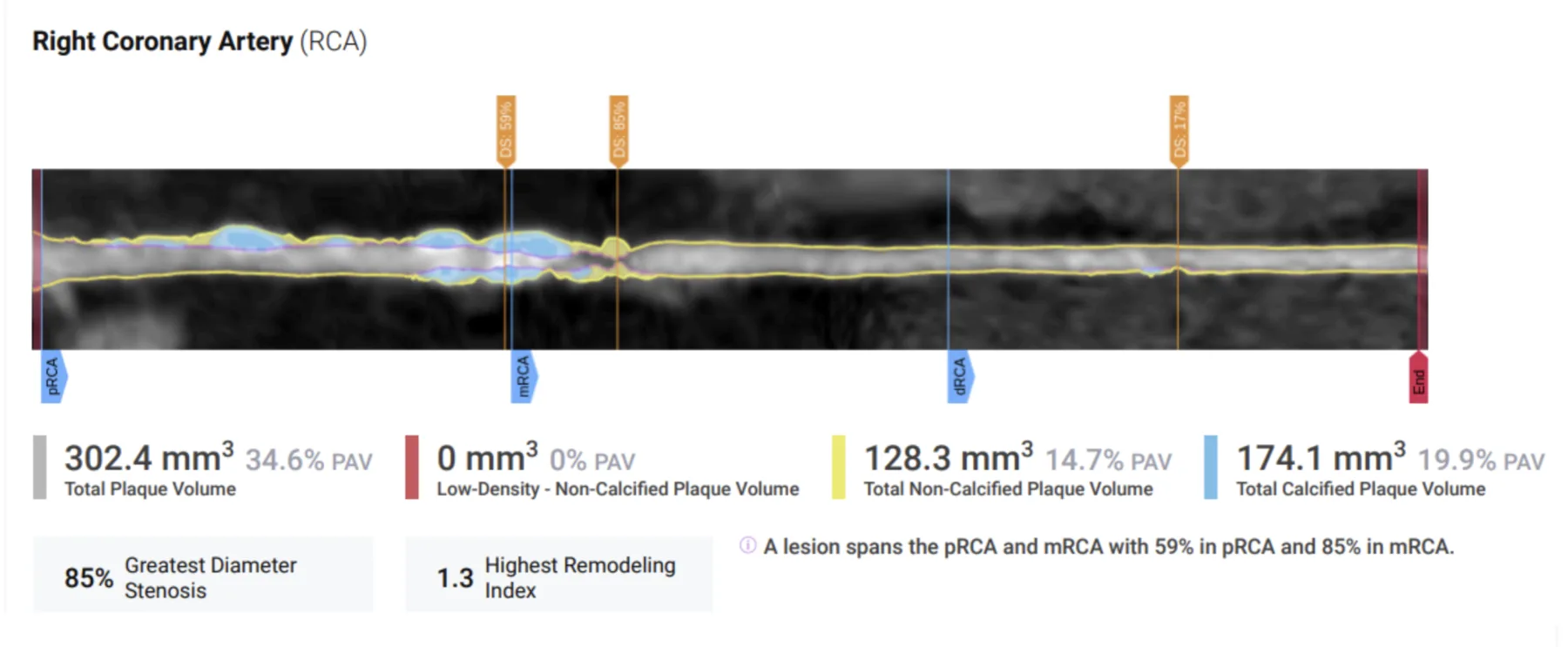
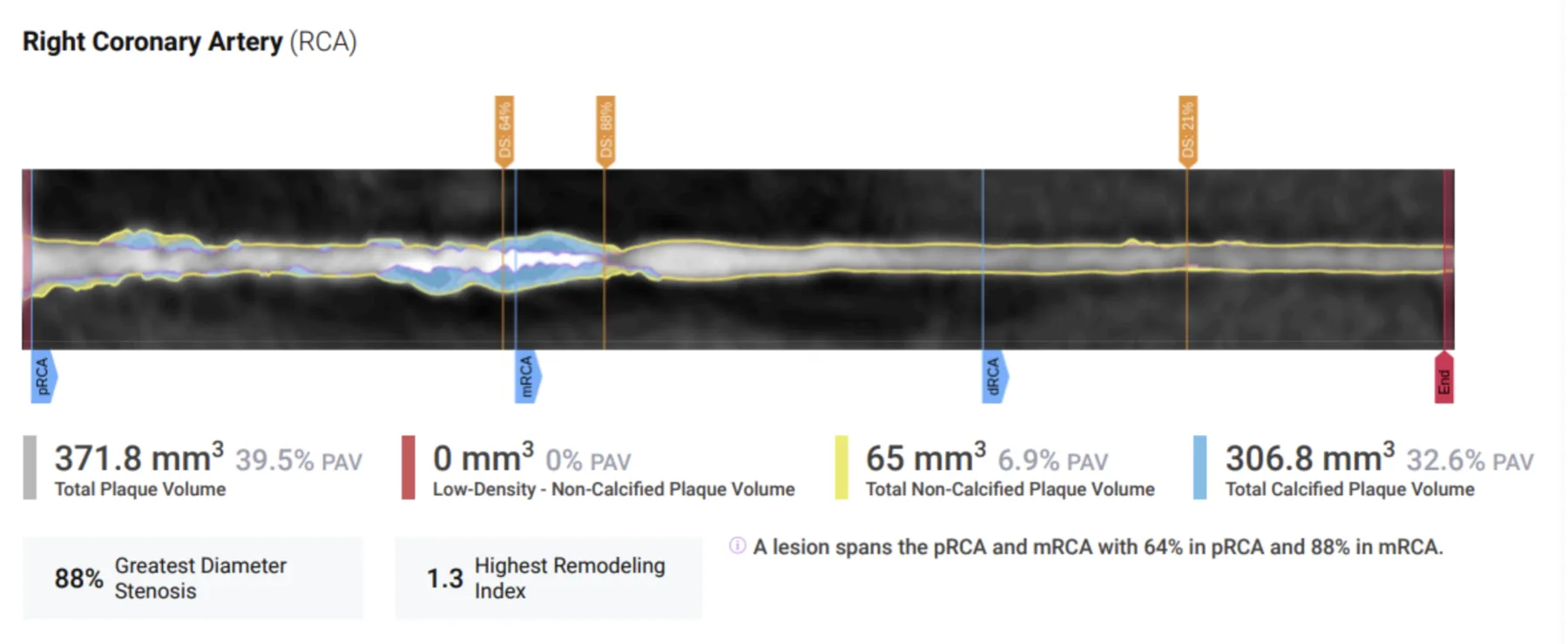
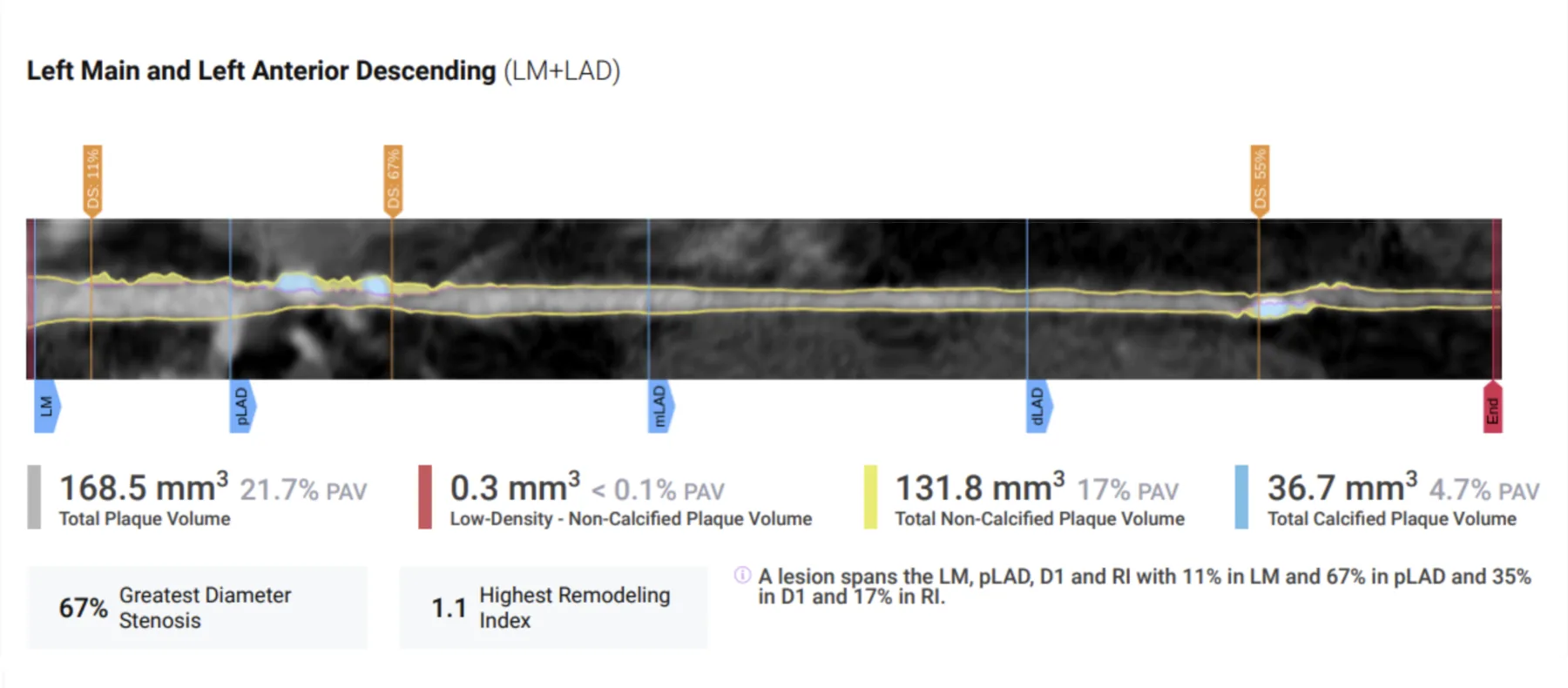
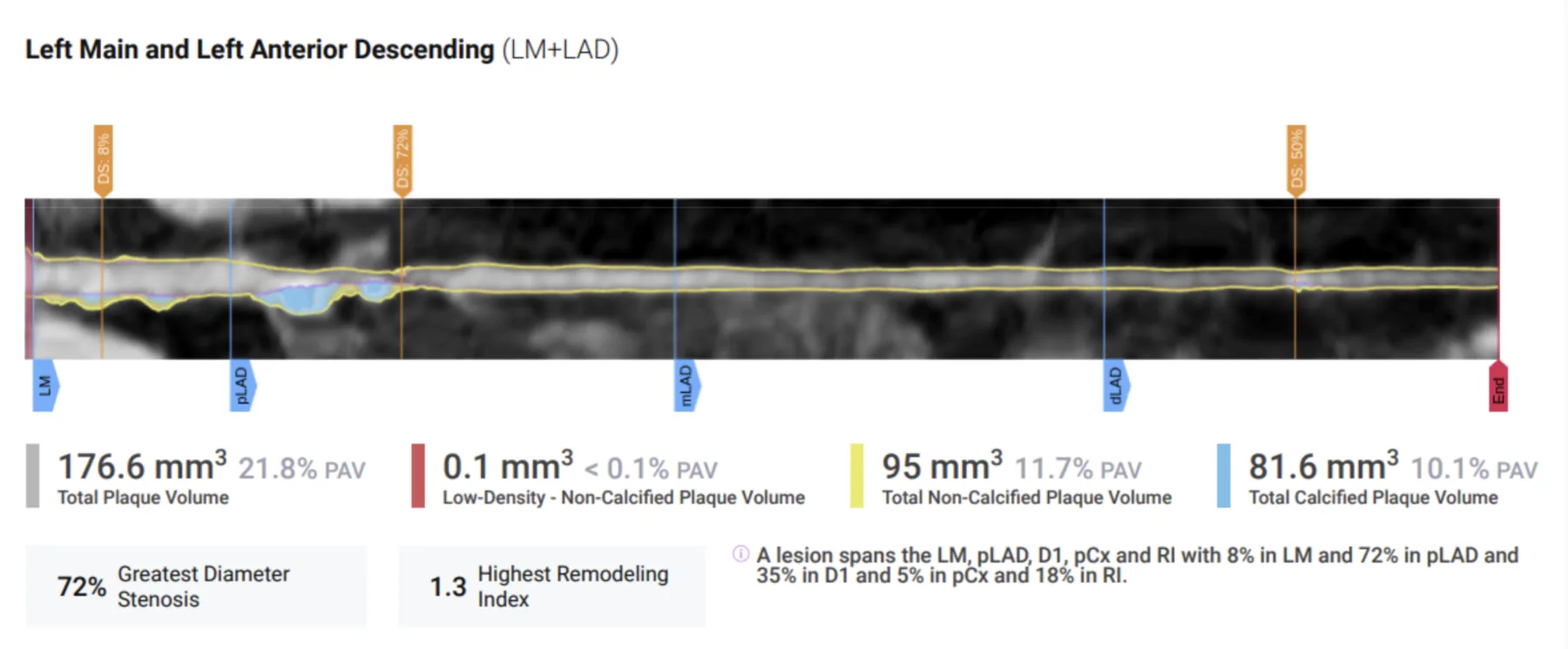
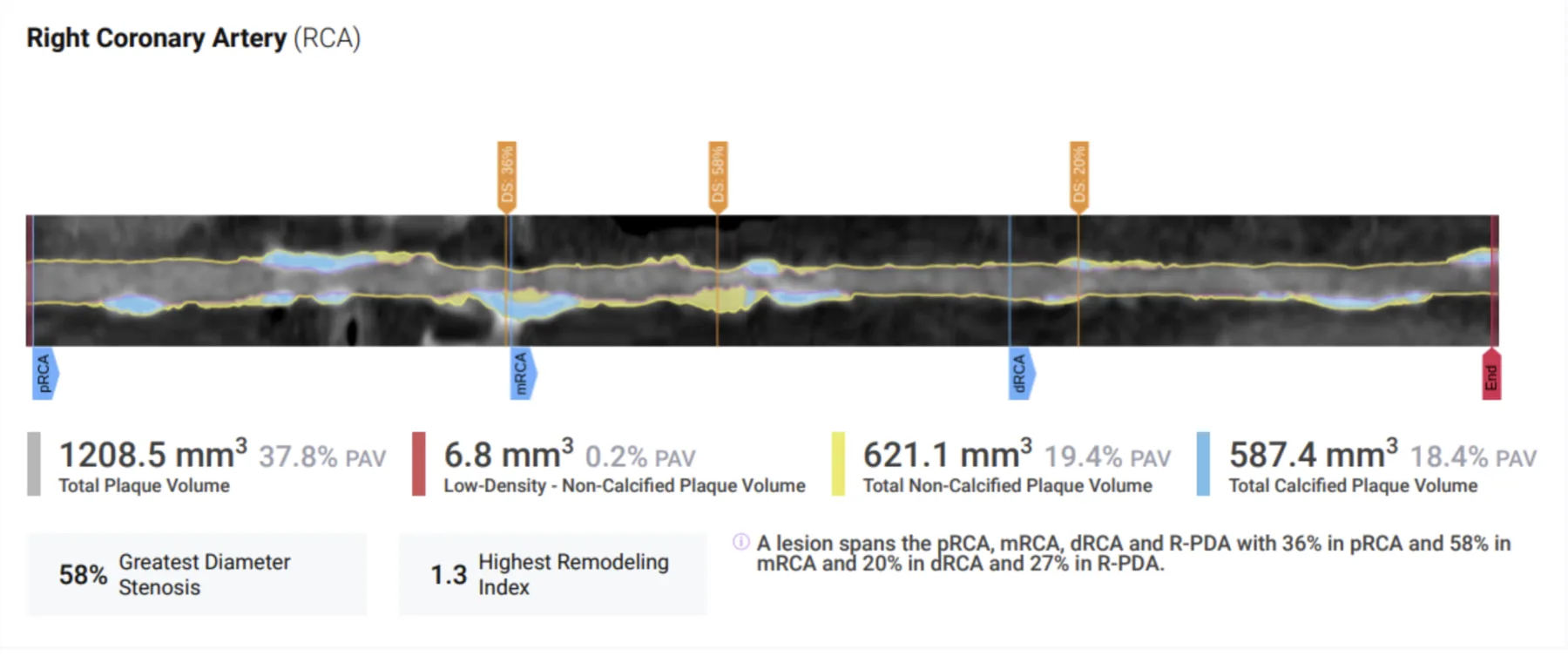
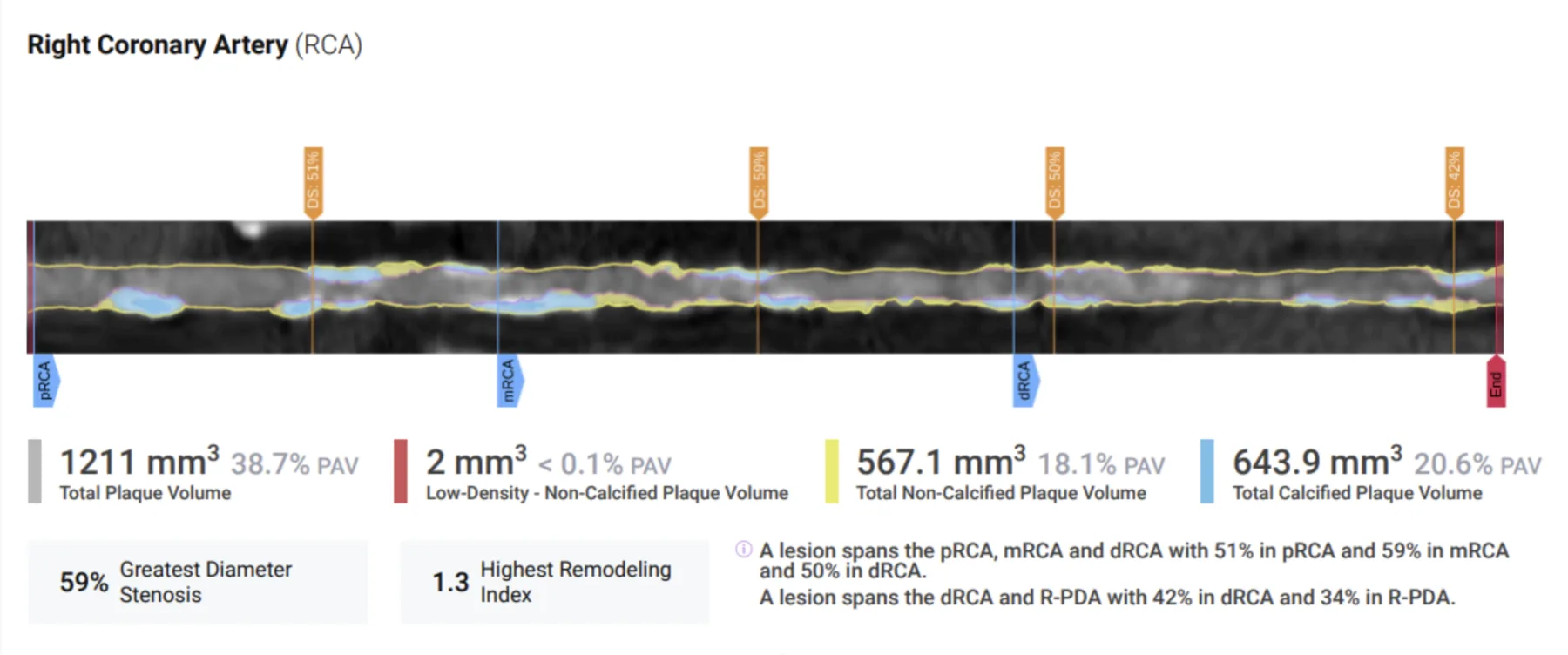
On his Answers call, Dr. Osborne pulled up the images. Before the colour coding loaded it just looked like a beautiful 3D model of a normal heart. Then the AI overlay came in: grey and white for the vessel, yellow for soft "lava-like" plaque, red for the most dangerous low-density plaque that tends to rupture, blue for hard, stable, calcified plaque.
His report showed extensive plaque burden throughout multiple coronary arteries. The soft, non-calcified plaque alone would have been invisible on a calcium score, yet it was large enough to put him firmly in a high-risk category. There were tight narrowings in key segments that had never once announced themselves as pain or shortness of breath.
This was not a man without heart disease. This was a man with advanced, silent heart disease that no one had ever looked for.
Dr. Osborne walked him through why normal-ish cholesterol didn't protect him, why the absence of symptoms meant nothing, why a routine stress test likely would have said "you're fine" even with these findings — and why, despite all this disease, he did not need to be rushed into emergency stents or bypass that day.
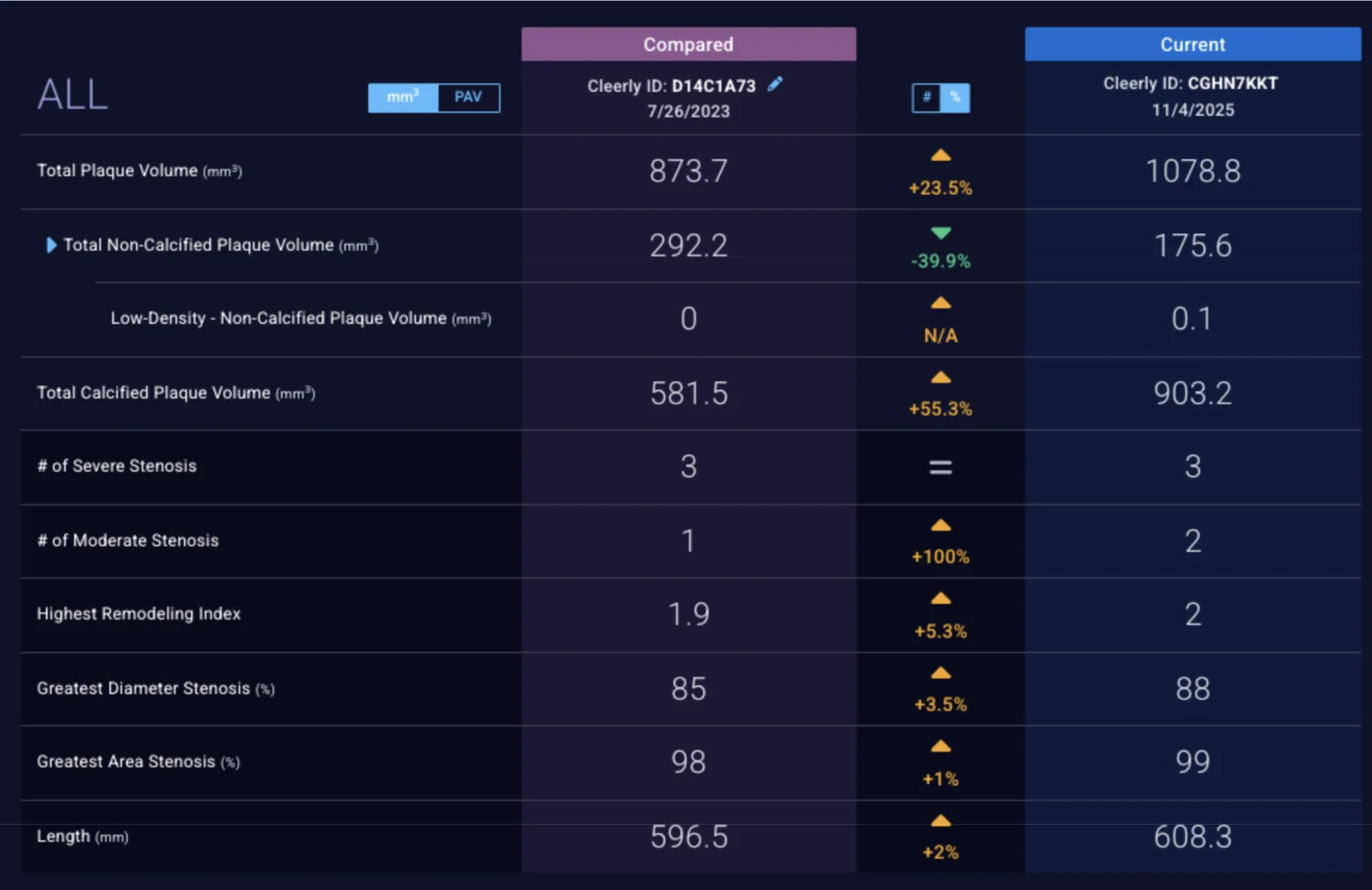
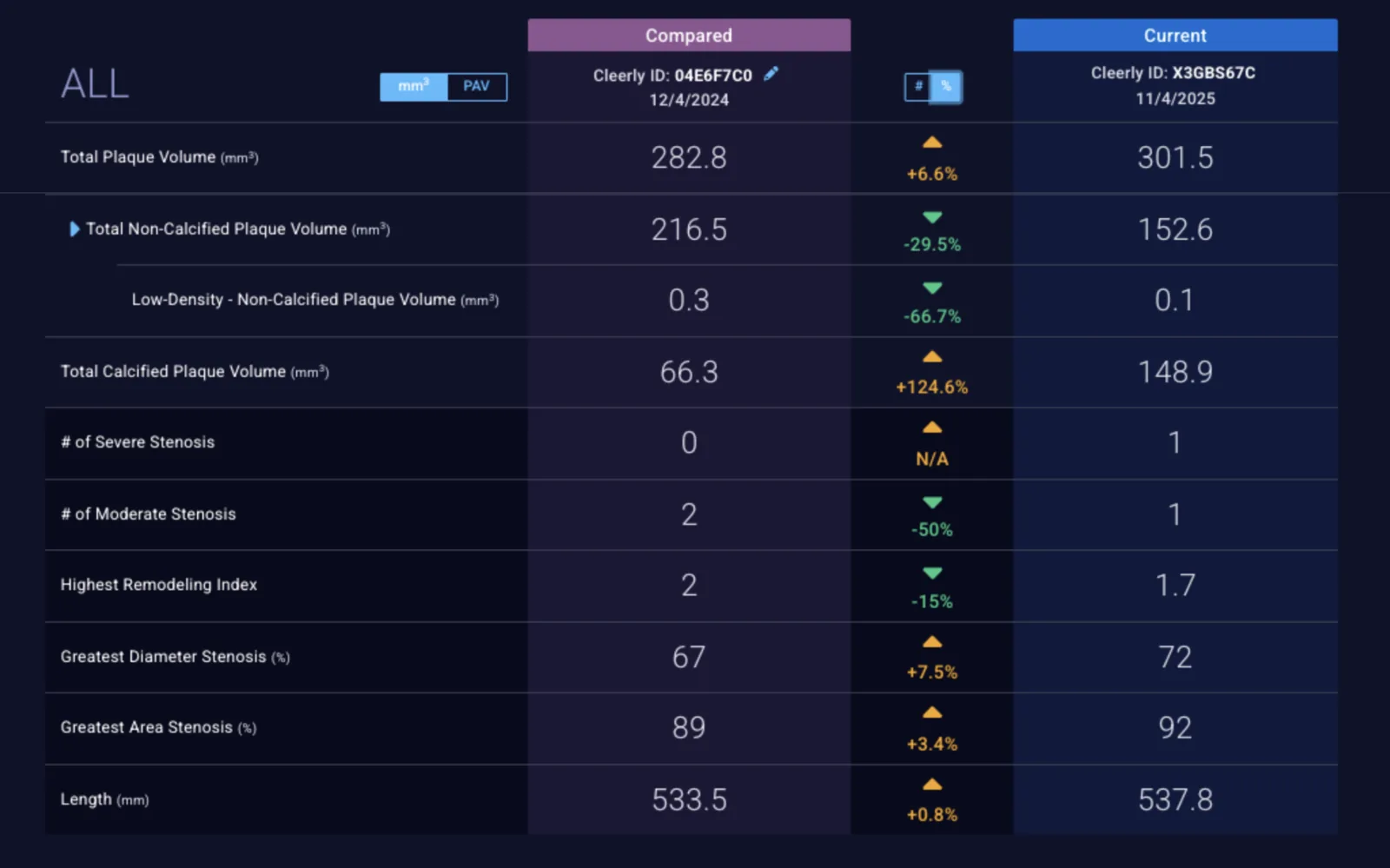
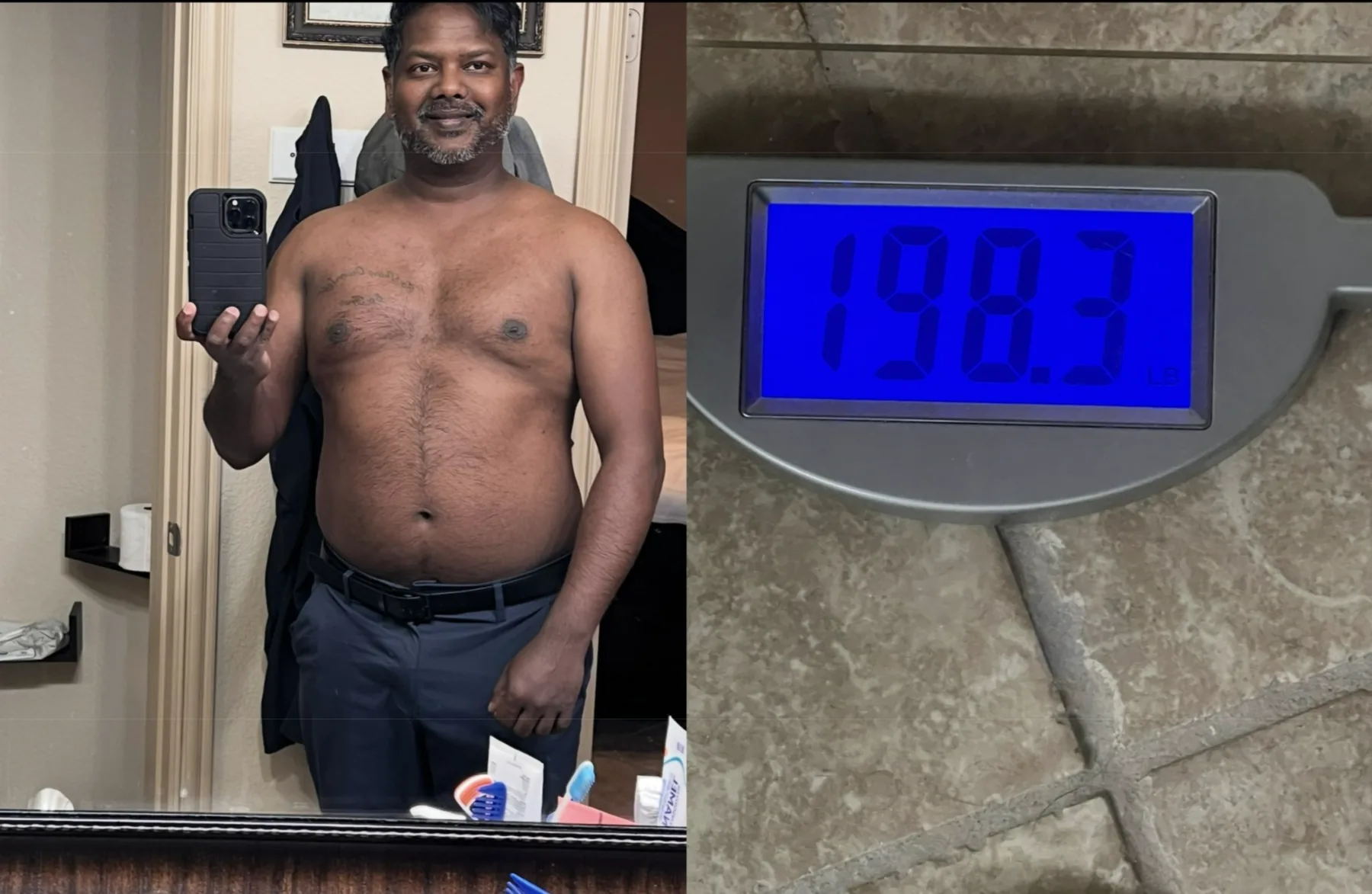
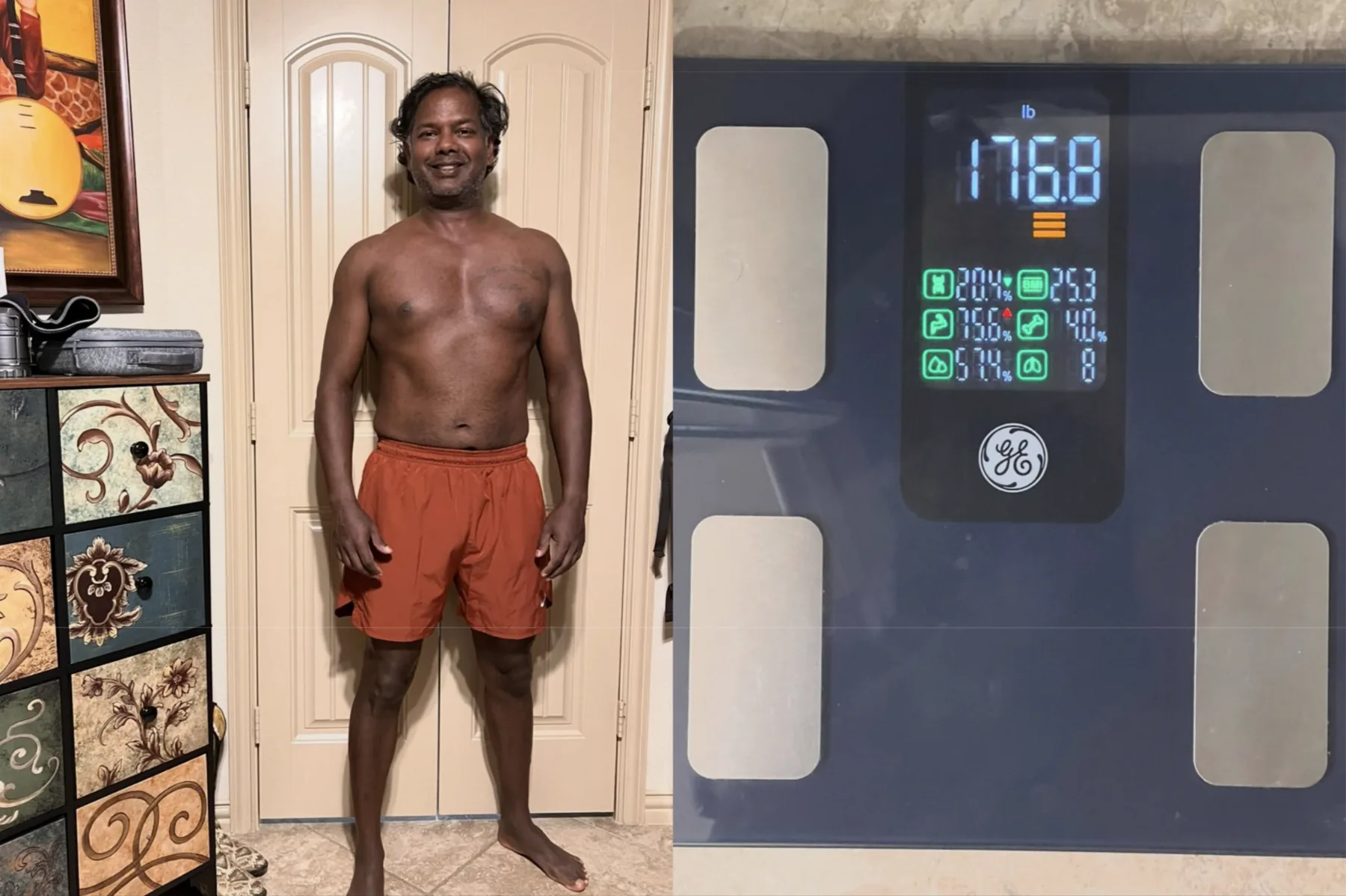
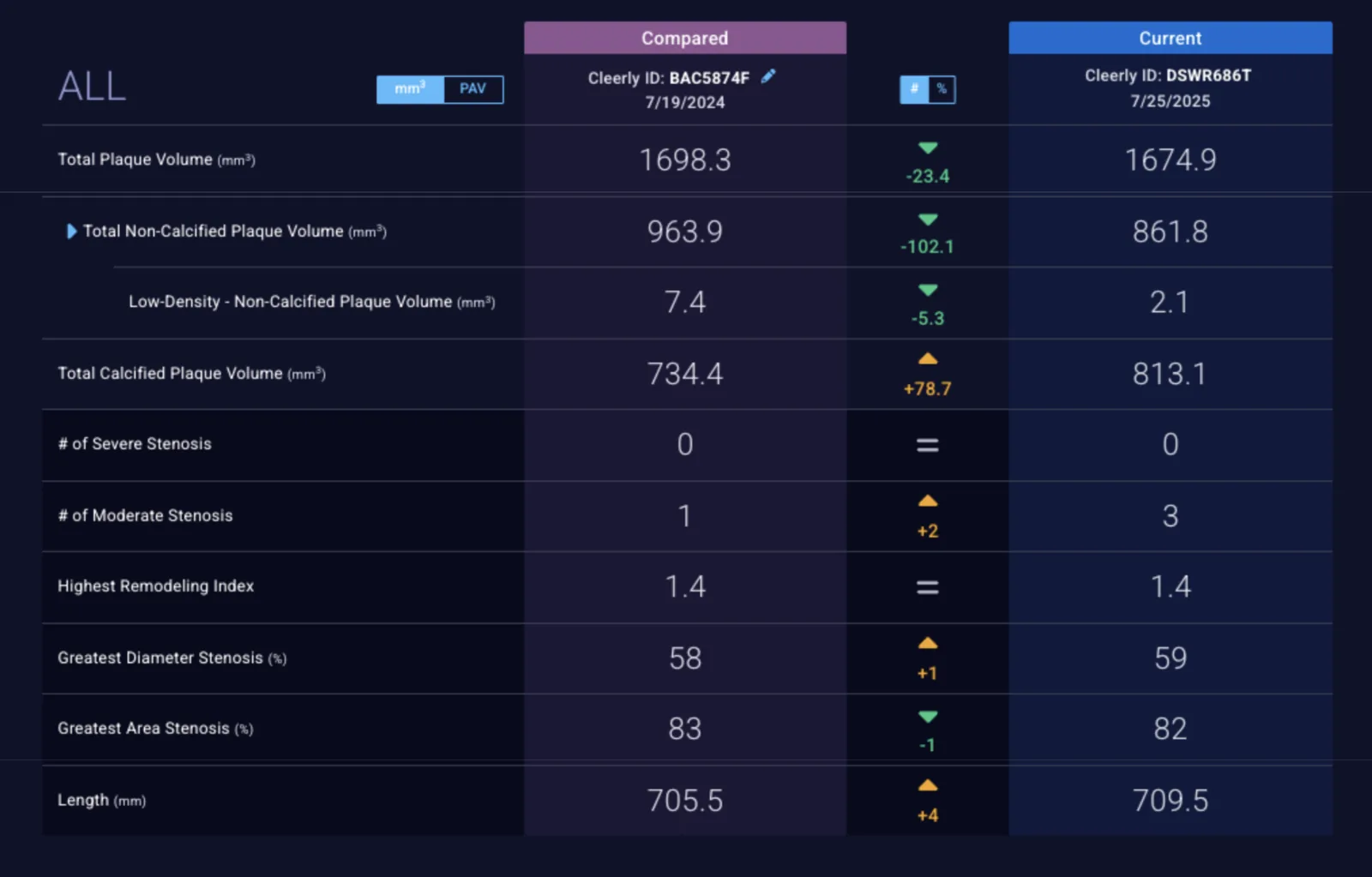
Months later his labs told one part of the story: cholesterol and ApoB down, blood pressure excellent, lifestyle measurably better. But the real payoff came at his follow-up Answers Meeting, when Dr. Osborne clicked "Compare" and the AI put the two scans side by side.
He hadn't just improved his numbers. He'd changed the biology of his disease in a way you could see and measure inside his own arteries.
Before ClearCardio: reassurance based on risk factors and guesswork. After ClearCardio: a clear picture of your actual plaque, a tailored plan, and real before-and-after proof of whether it's working.
For anyone who cares about performance, longevity, or simply not being blindsided by a heart attack, that is the difference between hoping you're okay and knowing which direction you're actually moving.
Book a call
One visit in person. Ongoing prevention by telehealth.
Wherever you live, you can apply to join ClearCardio's patent-pending prevention program. You'll start with a single on-site visit at one of our clinics, then continue your care through structured telehealth visits, virtual coaching and remote monitoring designed to track and treat plaque over time.
With 30 years of preventative cardiology, 25,000 evaluations over 21 years and a proven process, you're in excellent hands. On your Patient Assessment Call we'll review your history and goals, explain how travel and telehealth would work for you, and make sure the program is a good fit before you commit.